I’ve been making this dairy-free chicken marinade on repeat lately, and it’s become my go-to for weeknight dinners and weekend grilling. The combination of bright lemon juice and fragrant garlic creates the perfect balance of flavors that keeps the chicken incredibly juicy and flavorful. Trust me, once you try this simple marinade, you’ll wonder why you ever bought the bottled stuff!
| Preparation Time | 5-10 minutes |
| Cooking Time | 20-30 minutes |
| Total Time | 25-40 minutes |
| Level of Difficulty | Easy |
| Servings | 1.5 cups of marinade |
Estimated Nutrition
Estimated nutrition for the whole recipe (without optional ingredients):
- Calories: 480-520
- Protein: 1-2 g
- Fat: 54-58 g
- Carbohydrates: 4-7 g
Ingredients
- 1/3 cup extra virgin olive oil
- 1 large lemon, zested and juiced
- 3 garlic cloves, minced
- 2 tsp dried thyme
- 1 1/2 tsp Dijon mustard
- 1 1/4 tsp salt
- 1/2 tsp freshly cracked black pepper
- 1 tsp honey or maple syrup
Step 1: Build the Marinade Base
- 1/3 cup extra virgin olive oil
- 1 large lemon, zested and juiced
- 3 garlic cloves, minced
- 2 tsp dried thyme
- 1 1/2 tsp Dijon mustard
- 1 1/4 tsp salt
- 1/2 tsp freshly cracked black pepper
- 1 tsp honey or maple syrup
In a medium bowl, whisk together the olive oil, lemon juice, and zest first—this creates an emulsified base that helps the marinade cling to the chicken.
Add the minced garlic, Dijon mustard, honey, dried thyme, salt, and pepper, whisking until fully combined and the mustard is fully dissolved.
I like to let the marinade sit for a few minutes after mixing so the garlic can infuse into the oil and the flavors meld together—it makes a noticeable difference in depth.
Step 2: Marinate the Chicken
- Marinade from Step 1
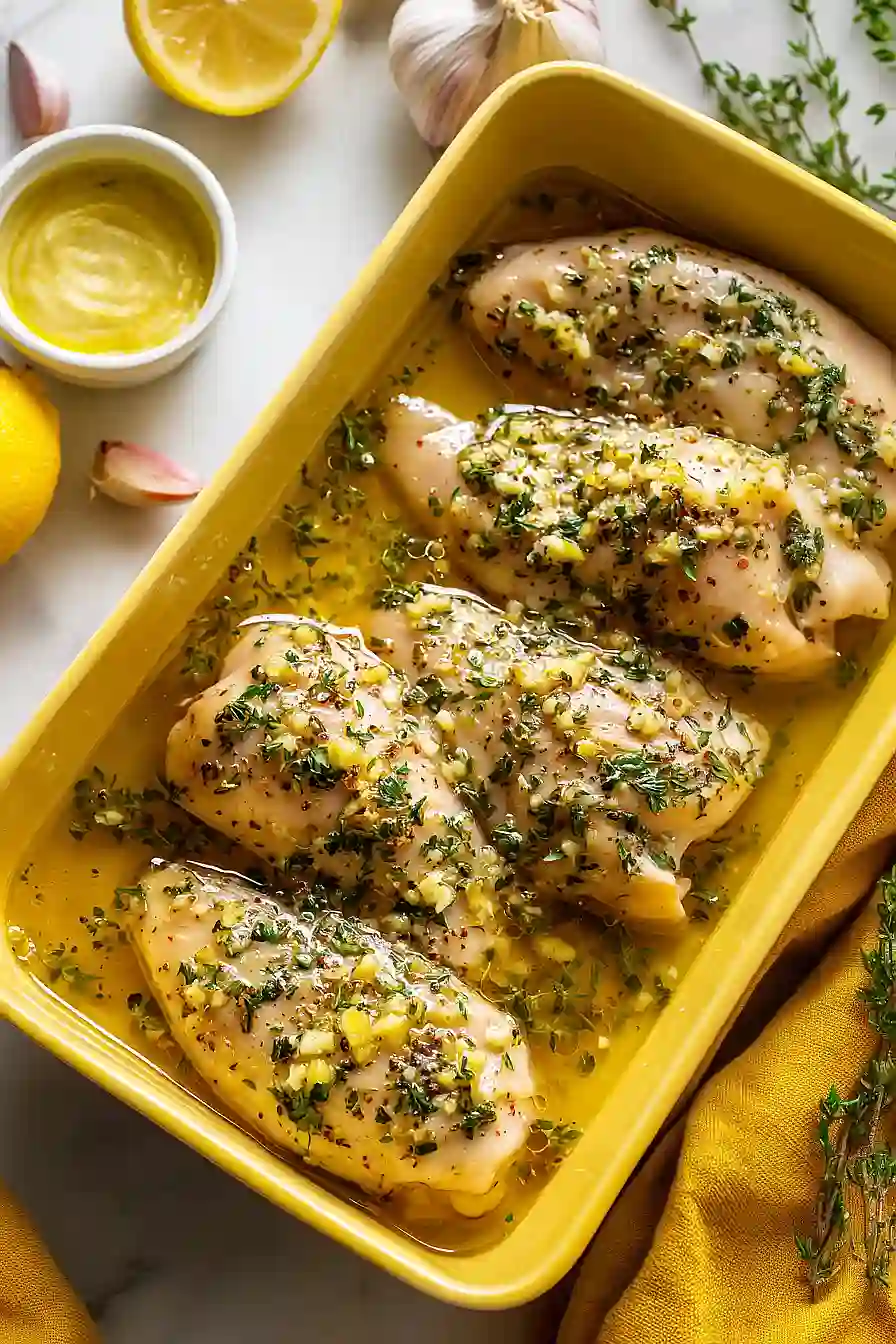
Place your chicken in a large resealable bag or shallow dish and pour the marinade from Step 1 over it, making sure all pieces are evenly coated.
If using a bag, seal it and gently massage the marinade into the chicken; if using a dish, flip the pieces to coat.
Refrigerate for at least 1 hour for light flavor (or up to 24 hours for deeper, more complex taste).
I find that overnight marinating gives the best results, but even 4-6 hours will give you really flavorful chicken.
Step 3: Cook the Marinated Chicken
- Marinated chicken from Step 2
Remove the chicken from the refrigerator 15-20 minutes before cooking to bring it closer to room temperature for more even cooking.
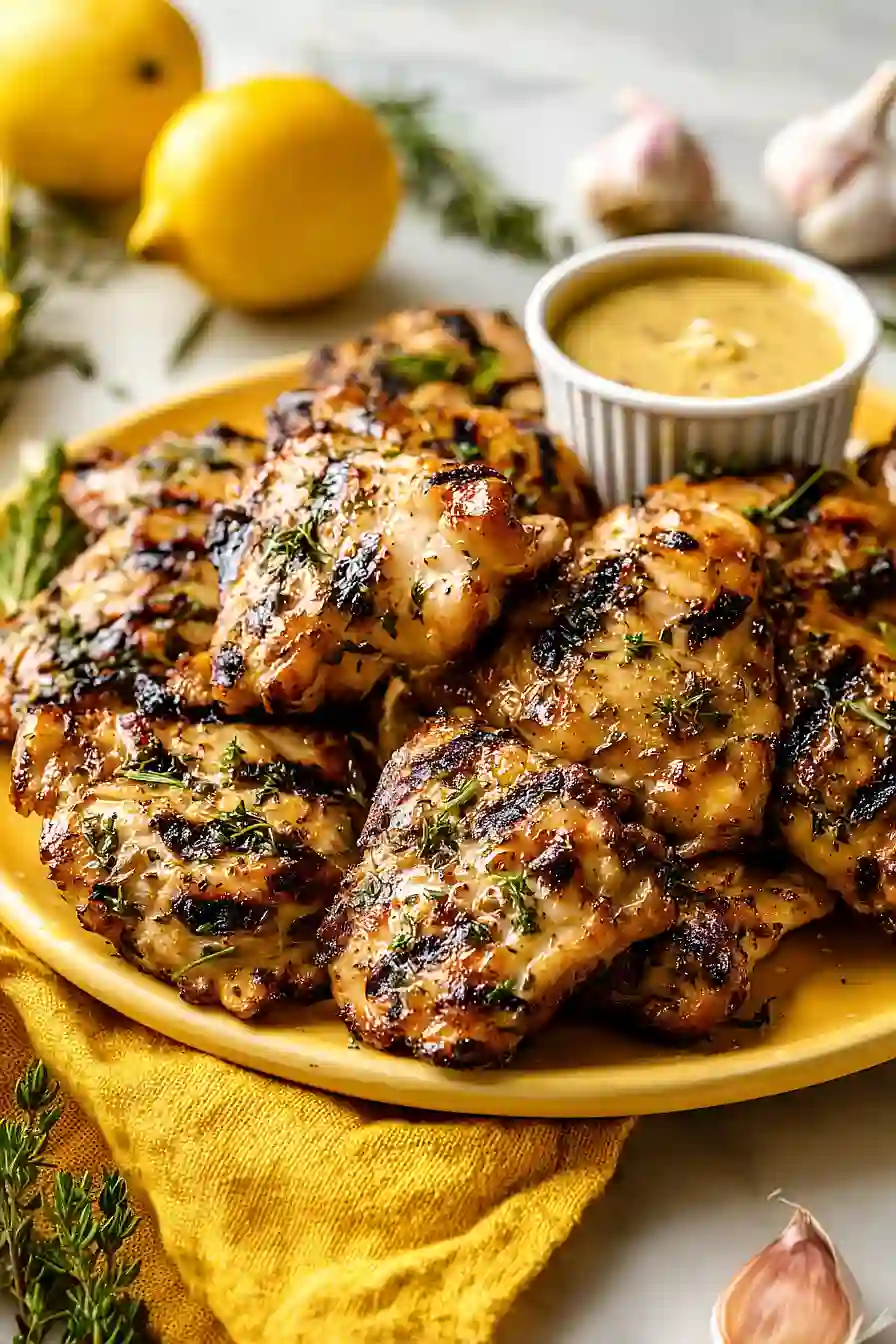
Pat the chicken dry with paper towels and cook using your preferred method—grill over medium-high heat, pan-sear in a skillet, roast at 425°F for 20-25 minutes, or bake at 375°F for 30-35 minutes depending on thickness.
Save any excess marinade for basting if desired, or discard it since it's been in contact with raw chicken.
Mouthwatering Dairy Free Chicken Marinade
Ingredients
Method
- In a medium bowl, whisk together the olive oil, lemon juice, and zest first—this creates an emulsified base that helps the marinade cling to the chicken. Add the minced garlic, Dijon mustard, honey, dried thyme, salt, and pepper, whisking until fully combined and the mustard is fully dissolved. I like to let the marinade sit for a few minutes after mixing so the garlic can infuse into the oil and the flavors meld together—it makes a noticeable difference in depth.
- Place your chicken in a large resealable bag or shallow dish and pour the marinade from Step 1 over it, making sure all pieces are evenly coated. If using a bag, seal it and gently massage the marinade into the chicken; if using a dish, flip the pieces to coat. Refrigerate for at least 1 hour for light flavor (or up to 24 hours for deeper, more complex taste). I find that overnight marinating gives the best results, but even 4-6 hours will give you really flavorful chicken.
- Remove the chicken from the refrigerator 15-20 minutes before cooking to bring it closer to room temperature for more even cooking. Pat the chicken dry with paper towels and cook using your preferred method—grill over medium-high heat, pan-sear in a skillet, roast at 425°F for 20-25 minutes, or bake at 375°F for 30-35 minutes depending on thickness. Save any excess marinade for basting if desired, or discard it since it's been in contact with raw chicken.